HART-viestinnän ja IIoT:n perusperiaatteet

Lyhyesti
- Monissa prosessilaitoksissa HART-viestintäprotokolla on edelleen kriittinen voimavara arvokkaiden prosessitietojen saamiseksi olemassa olevista kenttälaitteista.
- Vaikka teknologinen muutos voi olla haastavaa – etenkin kun siihen liittyy vanhojen järjestelmien integrointi nykyaikaisiin alustoihin – yhteys teolliseen esineiden Internetiin (IIoT) on saavutettavissa.
- Tässä artikkelissa tarkastellaan, miten HART-viestintäprotokolla tarjoaa edelleen arvokkaita oivalluksia, ja etsii vaihtoehtoja edulliseen integraatioon IIoT-ekosysteemeihin käyttämällä olemassa olevia HART-laitteita kentällä.


Diagnostiikalla on väliä: esimerkki HART-protokollaan perustuvasta laitoksesta
Prosessilaitoksessa, joka toimii 4–20 mA/HART-mittalaitteilla, odottamattomat tilanteet voivat kärjistyä nopeasti, jos diagnostiikkakyvyt jätetään huomiotta. Seuraava esimerkki tiivistää tyypillisen huoltotilanteen:
Kuvittele rankkasadepäivä. Huoltoryhmä ennakoi rutiinitoimenpiteitä minimaalisilla toimenpiteillä. Useita ongelmia ilmenee kuitenkin samanaikaisesti, ja ne vaativat välitöntä huomiota. Ryhmä kohtaa yhtäkkiä kriittisen tason mittausongelman.
Käyttäjä ilmoittaa, että pintalähetin antaa vaihtelevia lukemia ja prosessi on käynnissä ilman luotettavia pintatietoja. Lähetin sijaitsee laitoksella syrjäisessä paikassa, kaukana korjaamosta ja siihen pääsy edellyttää liikkumista hankalissa sääolosuhteissa.
Kun teknikko on päässyt laitteen luo, hän huomaa, että paikallinen määritys ei ole käytettävissä. Ongelman diagnosointiin tarvitaan kenttäkonfiguraattori, mutta sen akku on tyhjä. Tämä viive pakottaa teknikon palaamaan, lataamaan työkalun ja tulemaan paikalle uudelleen. Tänä aikana prosessi jatkuu ilman tarkkaa pintamittausta, eivätkä käyttäjät tiedä, että pinta on noussut liian korkealle.
Lopulta pintakytkin aktivoituu, pysäyttää prosessin ja pysäyttää tuotannon. Vaikka turvajärjestelmä toimii tarkoitetulla tavalla, tapahtuma tuo esiin merkittävän haavoittuvuuden: välittömän diagnostiikan puuttuminen pidentää vianmääritystä ja lisää tarpeettomia seisokkeja - tämä on hyvä esimerkkitapaus.
Mikä HART-viestintäprotokolla on?
Kuulostaako yllä oleva esimerkki tutulta? Tällaiset tilanteet voidaan usein ratkaista nopeasti käyttämällä laitteen tietoja suoraan kentältä. Silloinkin, kun laite luottaa 4–20 mA analogisiin signaaleihin useimmissa laitteissa on HART-viestintäprotokolla - sitä ei kuitenkaan tässä tilanteessa käytetä.
HART ei ole uusi teknologia, kuten useimmat meistä tietävät. Huolimatta siitä, että miljoonia HART-yhteensopivia laitteita on asennettu eri toimialoilla maailmanlaajuisesti, kaikki eivät vieläkään täysin ymmärrä sen perusteita.
HART on lyhenne sanoista Highway Addressable Remote Transducer, ja protokolla otettiin käyttöön 1980-luvun puolivälissä. Siitä tuli avoin standardi vuonna 1986, sen jälkeen kun se oli alun perin ollut omistusoikeudellinen.

HART on hybridiprotokolla, joka asettaa digitaalisen signaalin perinteisen 4–20 mA:n analogisen signaalin päälle – standardi, joka on ollut käytössä vuosikymmeniä ja on edelleen yleinen monissa laitoksissa.
Teknisestä näkökulmasta HART käyttää Bell 202 -standardia ja Frequency Shift Keying (FSK) -toimintoa 1200 bps:ssä. Kaksi taajuutta edustavat binääriarvoja: 1200 Hz "1":lle ja 2200 Hz "0":lle. Tämä lähestymistapa mahdollistaa tiedonsiirron isäntä- ja orjalaitteiden välillä analogista signaalia keskeyttämättä.
Mitä eroa on HART-protokollan ja muiden kenttäprotokollien välillä?
HART-yhteensopivat kenttälaitteet tarjoavat tasoltaan vertailukelpoisia diagnostiikka- ja toimintatietoja täysin digitaalisiin laitteisiin. Tärkein ero on siinä, miten näitä tietoja käsitellään. Digitaaliset laitteet välittävät tietojaan jatkuvasti riippumatta siitä, käytetäänkö niitä aktiivisesti. Sitä vastoin monet HART-laitteet jäävät kentälle arvokkaita tietojen sisäänsä lukittuna.
Kaikki HART-viestintäprotokollaa käyttävät laitteet tukevat älykästä laitehallintaa (IDM), joka on samankaltainen kuin PROFIBUS-, FOUNDATION-kenttäväylä- ja muiden digitaalisten teknologioiden kanssa. Vaikka HART tarjoaa multi-drop-tilan tietojen lukemiseen useista laitteista, tämä menetelmä on hidas, eikä siksi ole laajalti käytössä. Onneksi on olemassa vaihtoehtoisia ratkaisuja näiden kriittisten tietojen poimimiseen ilman, että tarvitsee turvautua useisiin multi-drop-kokoonpanoihin.
Joten mitä todellista eroa on HARTIN ja täysin digitaalisten kenttäväylälaitteiden välillä? Tietojen tyypissä ja laadussa - kuten laitteen terveydentila ja diagnostiikka - ei ole käytännössä mitään eroa. HART-laitteiden vakioasennus tarkoittaa kuitenkin tyypillisesti, että ohjausjärjestelmä vastaanottaa vain 4–20 mA analogista signaalia, toisin kuin digitaalisissa verkoissa, joissa kaikki laitetiedot ovat jatkuvasti saatavilla.
Hyvä uutinen on, että nykyaikaiset ratkaisut, sekä langalliset että langattomat, mahdollistavat nyt tehokkaan pääsyn HART-tietoihin ja muuntavat ne käyttökelpoisiksi oivalluksiksi – esimerkiksi Endress+Hauserin Netilionin kaltaisen IIoT-ekosysteemin kautta.
Mitkä HART-rajapinnat toimivat IIoT-ekosysteemissä?
Aiemmin mainitun pintalähetinesimerkin kaltaiset tilanteet voidaan usein välttää hyödyntämällä nykyaikaisia liitäntävaihtoehtoja. On käytännöllisiä tapoja noutaa IDM-tietoja HART-yhteensopivista kenttälaitteista ilman suuria investointeja tai mittavia muutoksia laitoksella.


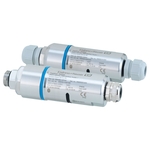
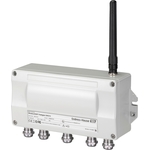
1. WirelessHART-integointi: Wireless (langaton) on yksi helpoimmista tavoista kerätä laitetietoja. Lisäämällä WirelessHART-sovitin olemassa oleviin kenttälaitteisiin, tiedot voidaan lähettää WirelessHART-yhdyskäytävään. Tämä yhdyskäytävä - kuten Fieldgate SWG70 Endress+Hauserilta - voidaan sitten yhdistää reunalaitteeseen, mikä mahdollistaa saumattoman integroinnin IIoT-pilvialustojen kanssa. Langattomat ratkaisut ovat jo laajalti käytössä eri toimialoilla, ja ne ovat osoittautuneet tehokkaiksi lukuisissa sovelluksissa.
2. HART-yhdyskäytävät langalliseen integrointiin Laitoksille, jotka suosivat langallisia ratkaisuja, HART-yhdyskäytävät tarjoavat luotettavan tavan poimia tietoja 4–20 mA:n silmukasta ja yhdistää se IIoT-alustoihin, kuten Netilioniin. Vaikka tämä lähestymistapa saattaa edellyttää hieman suurempaa alkuinvestointia verrattuna langattomaan, sijoitetun pääoman tuotto toteutuu yleensä muutamassa kuukaudessa. Esimerkki on Fieldgate SFG250, Ethernet-pohjainen HART-yhdyskäytävä, joka tarjoaa yksinkertaisen ja tehokkaan tavan päästä käsiksi laitetietoihin ja ne voidaan integroida pilvijärjestelmiin. HART Ethernetin kautta on yksi tehokkaimmista tavoista vapauttaa arvokasta tietoa lisäämättä päivittäisen toiminnan monimutkaisuutta.
Miksi ottaa IIoT-ekosysteemi käyttöön?
Kuten aiemmissa esimerkeissä osoitettiin, IIoT ei ole niin etäinen tai monimutkainen kuin miltä se saattaa vaikuttaa. IIoT-palveluiden edut ovat selvät – niiden käyttöönotto omassa laitoksessasi voi tuoda merkittäviä toiminnallisia etuja.
Esimerkiksi IIoT voi tarjota kattavan yleiskatsauksen asennetusta laitekannasta. Tiesitkö, että noin 30 % monien laitosten varoista on jo vanhentuneita? IIoT-palveluiden avulla voit helposti rekisteröidä laitteita manuaalisesti tai automaattisesti reunalaitteen kautta, jolloin syntyy digitaalinen kaksonen.
Kun se on liitetty, digitaaliset palvelut, kuten Netilion Analytics, tarjoavat läpinäkyviä oivalluksia intuitiivisten koontinäyttöjen ja kuvaajien kautta. Nämä analyysit paljastavat tärkeitä tietoja, kuten laitteen käytettävyyden ja elinkaaritilan, mikä vähentää monimutkaisuutta ja virtaviivaistaa kunnossapitoa.
Terveyden monitorointi HARTilla ja IIoT:ll
Toinen tehokas IIoT:n sovellus yhdistettynä HART-viestintäprotokollaan on laitteen terveydentilan monitorointi. Digitaaliset palvelut, kuten Netilion Health tarjoavat diagnostiikkatietoja sekä Endress+Hauserin että kolmannen osapuolen laitteille.
Käytitpä sitten langallista tai WirelessHART-yhteyttä, yhdyskäytäväsi voi yhdistää reunalaitteeseen, joka kommunikoi turvallisesti pilven kanssa. Tämä mahdollistaa pääsyn laitteen terveystietoihin mistä tahansa.
Järjestelmä näyttää laitteiden tilat NAMUR NE 107 -standardien perusteella. Kun diagnostiikkahälytys tai vika ilmenee, voit tarkastella yksityiskohtaisia tietoja perimmäisen syyn ja korjaavien toimenpiteiden tunnistamiseksi. Saatavilla on myös historiatietoja, jotka osoittavat, milloin ja kuinka usein tapahtumia tapahtui. Näin saat selkeän kuvan laitekannan kehityksestä ajan mittaan.
Jos tällainen terveydentilan monitorointijärjestelmä olisi ollut käytössä aiemmin kuvatun pintamittaustapahtuman aikana, ongelma olisi voitu havaita ajoissa, mikä säästäisi aikaa, ehkäisi odottamattomia seisokkeja ja alentaisi kustannuksia.
Lyhyesti: IIoT helpottaa laitoksen hallintaa, tekee siitä älykkäämpää ja tehokkaampaa.